
Your Guide for Identifying Genuine Salvatore Ferragamo Bags
Since knockoff producers grow more skilled, the divide separating a genuine Salvatore Ferragamo piece from a persuasive imitation has narrowed on particulars few buyers bother to inspect
The burden of verification falls on you whether you’re browsing a resale platform, an auction listing, or a shop claiming to hold excess inventory
So you can shop with confidence whether you’re seeking a classic Gancini tote or a newer style spotted in a ferragamo shop this season, this breakdown goes over the physical, structural, and documentary clues that distinguish the real thing from fakes.
Ferragamo bags are not cheap, and that price tag is exactly why fakes proliferate. A mid-range Salvatore Ferragamo bag can run well over a thousand dollars, and that markup creates enormous incentive for counterfeiters to replicate stitching, hardware, and packaging. The good news is that authentic craftsmanship leaves fingerprints that are hard to fully copy. Learning to read them takes patience, but it pays off every time you consider a secondhand or discounted purchase.
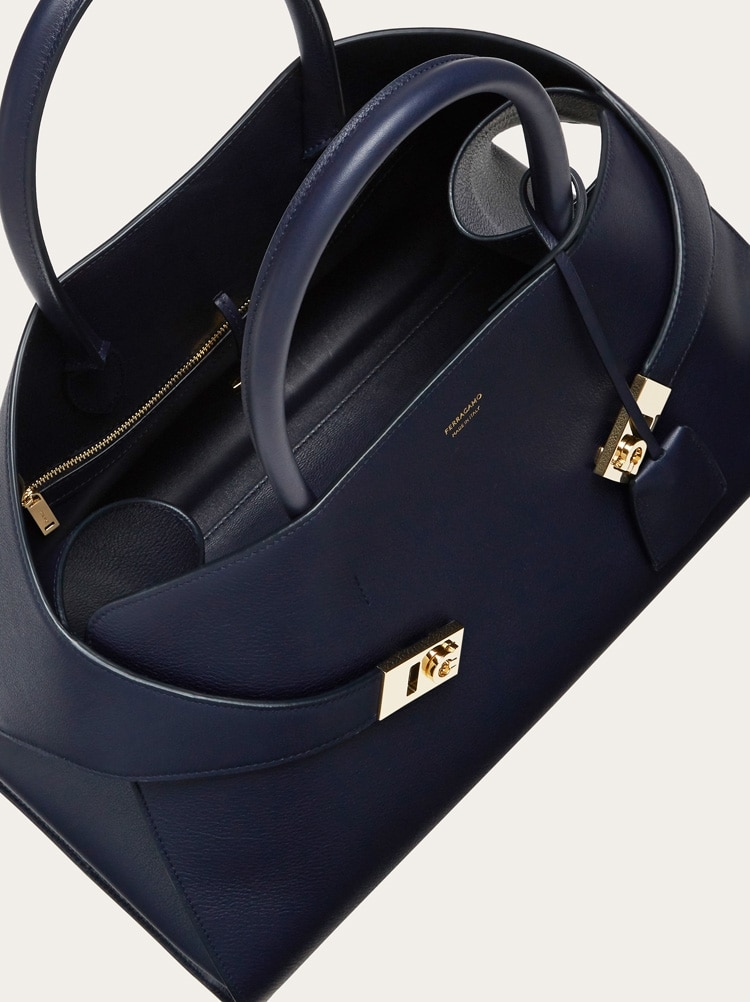
That Gancini Hardware Detail—Where to Begin
The Gancini hardware — that stylized horseshoe-shaped hook — is Ferragamo’s most iconic signature, found on bags, shoes, and belts since the brand first brought it out decades ago. On authentic pieces, the Gancini is cast with crisp, even edges and a weight that feels substantial rather than hollow or light. Pictures of counterfeit hardware can be deceiving, yet in hand it frequently comes across as thin, too glossy, or faintly distorted. Trace the contour of the hook, and real hardware reveals a seamless, nearly https://ferragamo-bags.com/ burnished flow without any rough seams where the metal was formed.
Color consistency matters too. As a rule, Ferragamo hardware comes finished in gold-tone or silver-tone plating that withstand flaking long after years of use. If you notice discoloration, patchy plating, or a loose hook within its housing, consider it suspicious. A genuine Ferragamo bag’s clasp should snap shut and open with a firm click, rather than a loose rattle. Replica makers frequently approximate the shape but fail on the mechanism’s precision, since reproducing the internal spring tension demands tooling most factories don’t invest in.
On top of that examine the point at which the Gancini attaches to the leather piece or strap. Instead of being glued on as a last-minute addition, authentic pieces feature reinforced stitching or a metal loop correctly embedded into the leather during manufacturing. A metal fitting that shifts around, sits at an angle, or displays adhesive residue below the surface is a clear sign you’ve found a knockoff instead of a genuine salvatore bag.
Look Closely at Stitching, Leather, and Lining
Most shoppers ever notice far less than what stitch count and spacing can reveal. Real Salvatore Ferragamo bags use dense, uniform stitchwork with even tension in the thread throughout — free of skipped stitches, loose thread ends, or seam puckering. Count the stitches per inch along a straight edge if you can; spacing that’s off by even a stitch or two, frequently points to mass-produced counterfeit work rather than the controlled production Ferragamo upholds across its factories.
Yet another giveaway is the quality of the leather. Ferragamo sources leather that has a distinct grain pattern and a supple hand-feel, whether it’s smooth calfskin or a textured finish. Rigid, overly glossy, or rubbery leather to the touch frequently signals counterfeits using bonded or heavily coated materials. You can also rely on smell: genuine leather has a natural, slightly earthy scent, whereas synthetic substitutes often smell chemical or rubbery, especially when the bag is new.
Don’t ignore the lining. Authentic ferragamo bags typically use a branded fabric or suede lining with the Ferragamo name or logo woven or printed cleanly, without smudging or misaligned lettering. Loose threads inside pockets, uneven lining seams, or a lining fabric that feels flimsy compared to the exterior craftsmanship all point toward a counterfeit. Pull open every interior pocket and check the base of the bag, since counterfeiters often cut corners in places buyers rarely inspect closely.
Logos, Serial Numbers, and Packaging: What to Inspect
Identifying marks are found on every genuine Salvatore Ferragamo bag, and locating them correctly is every bit as vital as recognizing what they should look like. The majority of bags feature a leather or fabric tag imprinted with “Salvatore Ferragamo” and “Made in Italy,” typically found within an inner pocket or at a side seam. The font should be clean, evenly spaced, and consistent in weight — no fuzzy borders, no tilted or mismatched letter sizes, which is a frequent defect in replica markings.
Serial or else heat-stamp markings, if included, ought to correspond to the format applied across legitimate production runs, and the positioning ought to seem intentional rather than haphazardly attached. If you’re buying secondhand, reach out to the vendor for detailed photos of these tags prior to finalizing the purchase, and hold them up alongside verified pictures from ferragamo’s official store or a legitimate authorized-dealer listing. Among the surest giveaways that ordinary shoppers can rely on are mismatches in typeface, spacing, or label fabric.
Beyond typical expectations, packaging matters. A new, authentic ferragamo bag generally ships alongside a dust bag crafted from smooth, matte-finish material, often in the label’s hallmark shade, accompanied by care cards and occasionally an authenticity card citing the style. Inferior fabric on the dust bags, cardboard tags with the wrong typeface, or altogether absent care instructions are frequent hallmarks of imitation packaging. By itself, none of these details proves authenticity, but taken together they build a picture that inspires confidence.
The Real Thing vs. Counterfeits: A Speedy Rundown
Sometimes it helps to see the differences laid out side by side rather than scattered across paragraphs. The table below summarizes the most common distinguishing points buyers report when comparing counterfeit listings against verified Salvatore Ferragamo bags, based on details consistently flagged in authentication communities and resale platforms.
| Detail | Real Salvatore Ferragamo | Common Replica Indicators |
|---|---|---|
| Gancini fittings | Heavy, smooth casting, crisp click closure | Flimsy metal that feels thin, paired with a loose clasp |
| Thread work | Evenly spaced stitches with zero stray threads | Irregular gaps, visible thread ends |
| Hide quality | Supple, natural grain, subtle scent | Leather that feels stiff and overly shiny, giving off a synthetic scent |
| Inner label | The “Made in Italy” imprint rendered in a crisp font | Smudged or misaligned text |
| Dust bag | A gentle fabric bearing the brand’s branding, in the accurate shade | Shiny or thin fabric, wrong shade |
| Cost level | Consistent with retail or resale market value | A price noticeably lower than expected for that particular style |
Spots to Purchase With Assurance
The safest path remains an authorized ferragamo retailer, whether that’s a marquee boutique or the brand’s official online storefront, where any Salvatore Ferragamo bag is guaranteed genuine direct from the factory.
Price is a signal too, even though it can’t be relied on alone. An authentic salvatore ferragamo bag almost never sells for a fraction of what it should command on resale, so deals that look suspiciously generous tend to be exactly that. Compare the piece with known best ferragamo bags or top ferragamo bags lists to get a sense of typical pricing ranges before you make the purchase, particularly with discontinued styles where scarcity can otherwise mask prices that are either overblown or oddly cheap.
Instead of relying solely on static photos—which forgers can edit or angle to hide flaws—if in doubt, ask for a video call with the vendor so stitching can be examined in real time. Plenty of savvy purchasers also maintain a private set of criteria drawn from a broader ferragamo bags overview, cross-checking fresh listings against known authentic examples they’ve come across or studied in the past. Prior to payment, this simple habit alone succeeds in uncovering a considerable number of counterfeits.
Fostering Long-Term Assurance as a Customer
The more genuine pieces you handle, identifying a fake grows less difficult—so should a boutique be accessible, be sure to study a handful up close, even if you’re not ready to buy. Test the heft of the hardware, inspect the seams under bright light, and pay attention to the leather’s give when bent softly. That tactile memory becomes your best tool the next time you’re evaluating a listing online where you can’t touch the product directly.
It also helps to follow style-specific research prior to committing to a buy, because certain top salvatore ferragamo bags feature build details linked to when they were made. A bag sourced from a past collection might feature distinct lining material or tag positioning than a current-season release, and understanding that background stops you from mistaking a genuine vintage item for a counterfeit simply because it doesn’t match newer manufacturing standards.
At bottom, authentication hinges on reading multiple signals together assembled from several indicators such as how substantial the hardware is, how precise the stitching is, the leather’s feel, the tag’s correctness, and the packaging’s quality, not any one check alone. No individual check is perfect on its own, but once several details—five or six—match what you’d expect from a genuine Salvatore Ferragamo bag, you should feel assured about the purchase. Approach every listing methodically, make sure to ask sellers for necessary photos, and don’t rush a decision involving this level of investment.